By Analyst Team · Updated 2026-07-15 · 6 min read

Imagine stepping into your backyard and picking fresh vegetables, collecting eggs from happy chickens, and knowing your water is collected from the sky. That's the promise of The Self Sufficient Backyard — a detailed resource pack that guides you toward creating a resilient, productive home homestead. But with so many guides available, you want to know if this one is genuinely worth your time and money. This complete guide answers that question directly, covering everything from what the program includes to how it compares with other approaches.
LIMITED TIME AVAILABILITY
Unlock Full The Self Sufficient Backyard Access
Secure special promotional rates instantly before the window closes. Lock in your pricing model today before plans return to standard regional metrics.
What Is The Self Sufficient Backpack Exactly?
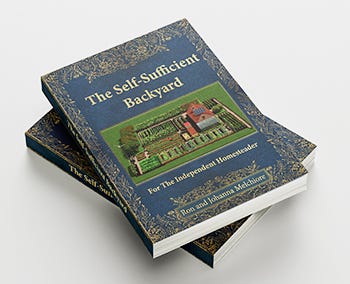
The Self Sufficient Backyard is a digital blueprint collection created by survival expert Ron and Johanna Melchiore. It focuses on transforming a standard suburban or rural backyard into a self-reliant homestead. Unlike a single book, it is offered as an online subscription that includes detailed PDF guides, video tutorials, monthly updates, and printable checklists. The core idea is to move beyond basic gardening into true self-sufficiency: water harvesting, off-grid energy planning, food preservation, small livestock management, and emergency preparedness — all tailored to the average homeowner's lot size.
Related entities in this space include books like The Backyard Homestead or The Self-Sufficient Life and How to Live It, but the Melchiores' approach is more step-by-step and beginner-friendly, with a heavy focus on small-space solutions. This program is not about moving to a remote farm; it is about optimizing the land you already have, whether that's a quarter-acre or a standard 50 x 100 foot lot.
How It Works Step by Step
Related Reading: Random Number Generator - The Mistakes That Skew Your Numbers
The program breaks self-sufficiency into digestible modules. Here is how most users progress through it:
- Assessment phase: You map your property, track sun patterns, and note local climate. The guides provide templates for this.
- Water first: Before planting, you set up rainwater collection systems, greywater recycling, and possibly a simple well pump. The diagrams make this less intimidating.
- Soil building: You learn no-dig gardening, composting, and soil testing. The plan emphasizes building fertility naturally.
- Food growing systems: Raised beds, vertical gardening, and companion planting are designed for a steady year-round yield, not just a summer harvest.
- Protein: Small livestock like quail, rabbits, or chickens are introduced with detailed coop plans and feeding schedules.
- Energy and preservation: Solar dehydrators, root cellaring, and basic solar panel setups help you store what you grow.
Each step includes a checklist so you can track your progress without getting overwhelmed. The beauty is that you can start any module based on your priority — some users begin with water, others with gardening.
Concrete Benefits for Users
People who commit to this plan report real results. The most common benefit is a dramatic reduction in grocery bills — many users share that they cut fresh produce spending by 70% within six months. Beyond money, the sense of security is huge: knowing you can produce food even during supply chain disruptions brings peace of mind. Another advantage is the health boost: you control what goes into your soil, so your vegetables are free from synthetic pesticides. The program also teaches practical skills that feel empowering, like canning, seed saving, and basic carpentry for building structures.
Unlock complete high-definition information and priority access packs to accelerate your self-sufficiency journey.
Claim This Special Offer for The Self Sufficient Backyard →Honest Limitations
Related Reading: The Self Sufficient Backyard: What to Check Before You Buy
No program is perfect, and The Self Sufficient Backyard has some limitations worth noting. First, it is entirely digital — if you prefer physical books, you will need to print the materials yourself, which can be costly. Second, the monthly subscription model (around $29/month) can add up over a year, though you can often lock in a lifetime access deal during promotions. Third, some advanced techniques (like building a solar panel array from scratch) assume a moderate level of DIY confidence. Absolute beginners might need to watch the video tutorials a few times. Finally, the program is heavy on North American climate references; users in very arid or tropical zones may need to adapt some advice.
Comparison with Alternatives
When you search for a self sufficient backyard guide, you will find several competing products and books. Below is a direct comparison to help you decide.
| Feature | The Self Sufficient Backyard | Backyard Homestead (Carpenter) | YouTube DIY Channels |
|---|---|---|---|
| Format | Digital subscription (PDF + video) | Physical book | Free video (varies) |
| Step-by-step checklists | ✅ Yes, detailed monthly | ❌ No | ❌ Rarely |
| Small livestock plans | Quail, rabbits, chickens | Chickens only | Varies by channel |
| Water systems | Yes (rain, greywater, well) | Minimal | Some, but fragmented |
| Price (typical) | ~$29/mo or ~$99 lifetime | $20–$30 one-time | Free (ads) |
As you can see, the subscription model gives you structured, integrated guidance that grows with you. YouTube is free but scattered — you may spend hours searching for reliable information. The book is great for reading, but lacks the interactive checklists and updated content that a subscription provides.
Who Is It For?
Related Reading: TikTok Recharge Coins Free: Complete Guide for 2026
This program fits several user profiles. Here are the most common:
- Suburban homeowners with a standard yard who want to reduce reliance on grocery stores.
- Preppers and emergency planners looking for a systematic way to build long-term food security.
- Beginners in homesteading who feel overwhelmed by the hundreds of contradictory tips online.
- Families on a budget who want to cut food costs while eating healthier, organic produce.
- Retirees with time and energy to invest in a productive hobby that yields real food.
If you live in an apartment with only a balcony, some of the larger projects (like full-sized chicken coops) won't apply, but you can still use the vertical gardening and small-scale food preservation sections.

How to Get Started — Practical Numbered Steps
Ready to begin? Here is a straightforward action plan to start your self sufficient backyard journey with this guide:
- Secure your copy: Visit the official page via the link on this article to access the full library. Look for any current promotional offers — the "SPECIAL DAY PROMO" at the top may save you significant money.
- Print the property assessment worksheet from Module 1. Spend an afternoon drawing your yard, measuring sun exposure, and marking water downspouts.
- Set up your first rainwater barrel. The guide includes specific parts lists for a 55-gallon system that connects to your gutter. This is often the easiest first win.
- Build one raised bed (4x4 feet recommended). Use the soil mix recipe provided: 40% compost, 30% coir/peat, 30% vermiculite.
- Plant a three-season rotation: Follow the planting calendar for your zone. Start with easy crops like lettuce, tomatoes, and beans.
- Join the private community: Access the member-only group to ask questions and see what others are building.
- Revisit the water module after one month — you may be ready to add a greywater system to irrigate your trees.
Taking small, measurable steps prevents burnout. Most successful users report finishing the first three modules within 60 days.
Final Subscription Window:
Get The Self Sufficient Backyard Today →Affiliate Disclosure: Clicking this secure link verified by our network supports our team through standard partnership terms at zero extra cost to your invoice.
Frequently Asked Questions
Is The Self Sufficient Backyard worth the price compared to free online resources?
Yes, for most people. While you can find individual pieces of advice for free, the cohesion inside the program saves hours of research. The monthly checklists, video walkthroughs, and exact building plans (with lumber cut lists) are not available scattered across the web. If you value your time and want a reliable system, it pays for itself quickly.
Can I really become self sufficient with a small suburban backyard using this guide?
Absolutely. The guide is specifically designed for small to medium lots — typically up to half an acre. It teaches high-yield techniques like vertical gardening, succession planting, and compact livestock. Many users on quarter-acre lots report producing 50% or more of their vegetables year-round.
Does The Self Sufficient Backyard include plans for water filtration and off-grid power?
Yes, it covers three major water strategies: rainwater collection with first-flush diverters, simple greywater systems for irrigation, and a DIY bio-sand filter for purification. For energy, it includes basic solar panel setups (12V systems for lights and small appliances) and solar food dehydrators.
How much does The Self Sufficient Backyard cost and is there a one-time payment option?
The standard subscription is around $29 per month. However, during special promotional windows, you can get lifetime access for a one-time payment of approximately $99 to $149. The link in this article often reflects the best current deal. Always check for the "SPECIAL DAY PROMO" banners.
Is this program suitable for absolute beginners who have never gardened?
Yes, the program starts from absolute basics. The first module is called "Getting Started" and assumes zero knowledge. It walks you through soil types, tool selection, and the simplest crops. The video tutorials are especially helpful for visual learners who have never planted a seed.
What is the biggest difference between The Self Sufficient Backyard and a regular gardening book?
Regular gardening books usually focus on plants alone. This program is a complete homestead system: water, energy, preservation, livestock, and emergency preparedness. It is also updated monthly with new content as techniques evolve, whereas a printed book is static.
Can I get a physical book or PDF download of The Self Sufficient Backyard?
The core delivery is digital — you access the videos and PDFs through a members' area. There is no printed book sold separately. However, all PDFs are printable, and many users bind them into a custom binder set. The membership also includes high-resolution, print-ready diagrams.
How quickly can I expect to see results after starting the plan?
Most users see their first tangible result within 30 days: a completed rainwater barrel or a planted raised bed. Within three to four months, you can harvest your first crops. Full self-sufficiency in one area (like salads for the household) typically takes 6 to 9 months, depending on effort and climate.
Conclusion — Is It Right for You?
The Self Sufficient Backyard is a comprehensive, structured program that genuinely helps motivated homeowners move toward food independence. While it is not a magic bullet — it requires consistent effort and some DIY skills — the monthly guidance and checklists remove the guesswork. If you are serious about cutting your grocery bill, gaining practical skills, and creating a resilient home, it is one of the best resources available today. The promotional pricing windows (like the one flagged at the top of this page) make it easier to commit. Click the link below to see the current offer and start transforming your backyard.
Clicking this link supports our research at no cost to you.